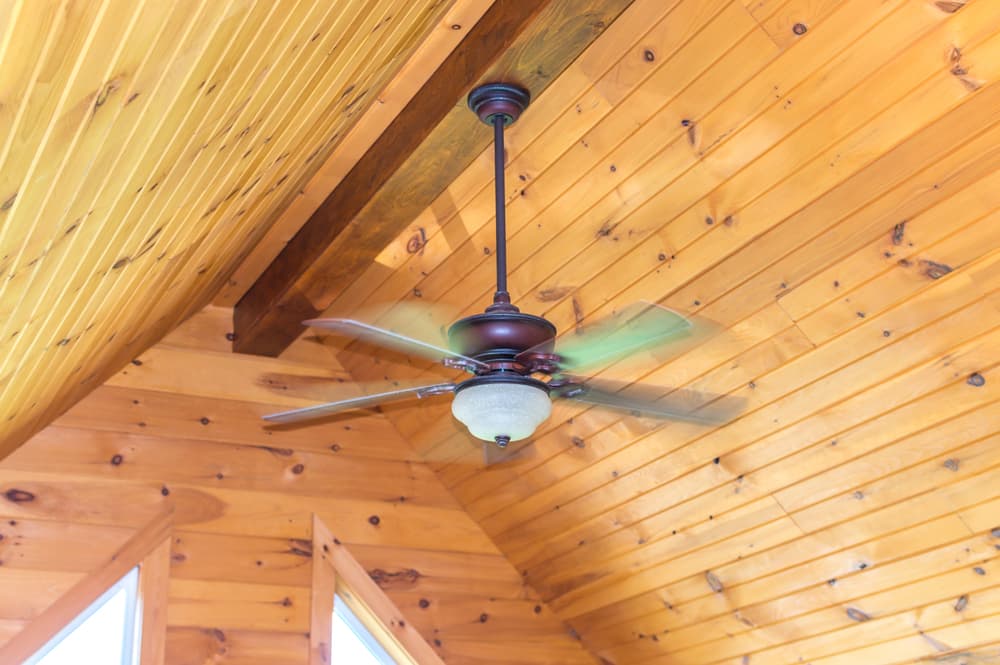
Why is My Ceiling Fan Running Slow?

A ceiling fan may run slowly because of dust buildup, a faulty capacitor, a lack of lubrication, corroded wiring, an overloaded circuit, or a motor issue. Let’s discuss these potential causes and learn the best solutions to bring your fan speed back to normal. 1. Dust and Dirt Build Up Dust and dirt can accumulate … Read more

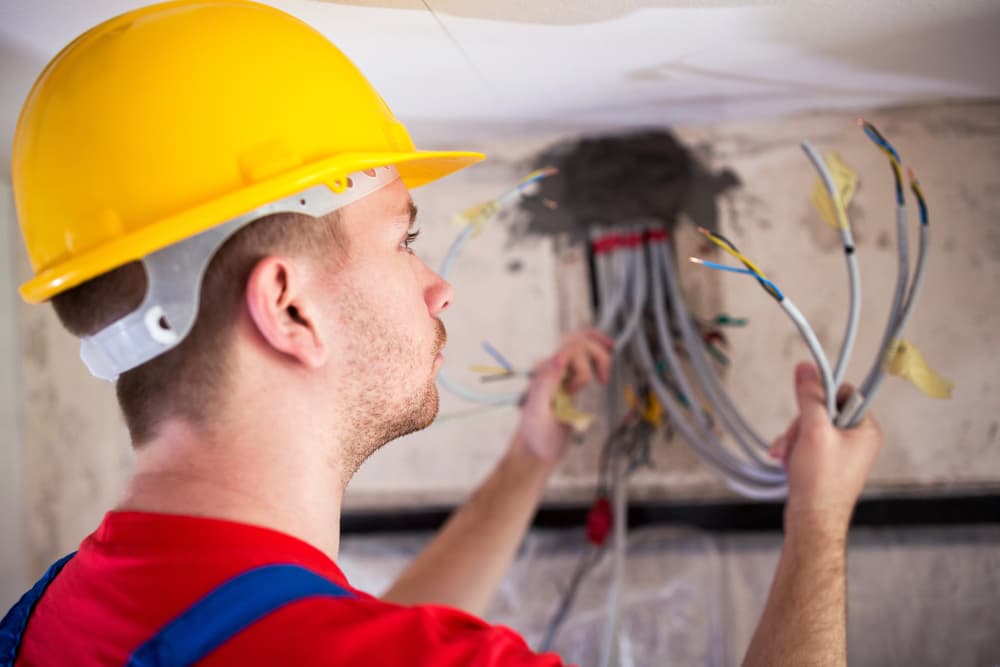
What Types of Repairs can Electricians Help You With?

Electricians can repair common electrical issues, like fixing lights, appliances, wiring, or breakers. They can also handle complex electrical repair services, including upgrading electrical panels, installing new components, or addressing buzzing noises. Here are the other types of electrical repairs that your licensed electrician can carry out. Common Electrical Repairs Simple electrical issues like replacing … Read more

How Do Electricians Rewire a House?

Electricians rewire a house by removing old, unsafe wiring and installing new cabling that meets current Australian safety standards (AS/NZS 3000). The process typically involves replacing outdated or damaged cables, such as old VIR wiring, with modern thermoplastic‑sheathed (TPS) wiring. Electricians access roof spaces, wall cavities, and underfloor areas to run new circuits for lighting, … Read more

Is DIY Electrical Work Illegal in Australia?

Yes, DIY electrical work is illegal in Australia for almost all tasks involving fixed wiring, power points, switches, and hardwired appliances. Only licensed electricians can perform this work to ensure safety and compliance with Australian Standards. In Australia, most DIY electrical jobs without proper licensing are illegal mainly because of the many risks involved. You … Read more

Do LED Lights Use Less Power?

Yes, LED lights use significantly less power in Australia compared to traditional lighting, consuming up to 75% to 90% less energy than incandescent or halogen bulbs for the same brightness. They are highly efficient, long-lasting, and help reduce electricity bills and carbon emissions. According to energy.gov.au, 10% of an average household’s electricity budget goes to … Read more

How Much Does It Cost to Install a Split System?

Installing a split system air conditioner in Melbourne typically costs between $1,500 and $6,000, with most homeowners paying $2,000 to $3,000 for supply and standard installation. A straightforward back‑to‑back installation may cost $800 to $1,500 in labour alone, while multi‑split systems can range from $2,000 to over $11,000 depending on complexity. The final price depends … Read more

What are the Types of Electrical Maintenance?

Electrical maintenance includes preventive, predictive, and corrective strategies that keep systems safe, compliant, and fully functional. Preventive maintenance involves scheduled inspections and testing to reduce the risk of faults. Predictive maintenance uses tools such as thermal imaging to detect overheating or wear before failure. Lastly, corrective maintenance addresses identified issues, such as damaged wiring or … Read more

What’s the Difference Between AC and DC Ceiling Fans?

The main difference between AC and DC ceiling fans is that DC fans are quieter, more energy-efficient, and offer more speeds, whereas AC fans are generally cheaper and use simpler, traditional controls. DC fans use up to 70% less energy because they convert household AC power into direct current through an in-built converter. AC fans, … Read more

What are the Different Types of Light Bulbs for Home Use?

Incandescent, compact fluorescent (CFL), halogen, and light-emitting diode (LED) are the most common light bulb types for home use. However, each type has distinct features, pros, and cons, making selection challenging. We’ll make it less complicated for you. After reading this article, you’ll know which light bulb is best for every room. Most Common Light … Read more

Why Did My Ceiling Fan Stop Working?

Ceiling fans often stop working due to a failed capacitor, tripped circuit breaker, faulty wall switch/remote, or motor issues (like seized bearings or blown thermal fuse). Other common causes include loose wiring, excessive dust buildup, or the fan being over 10 years old. There are several reasons why ceiling fans suddenly stop working, but don’t … Read more

Call Now Button